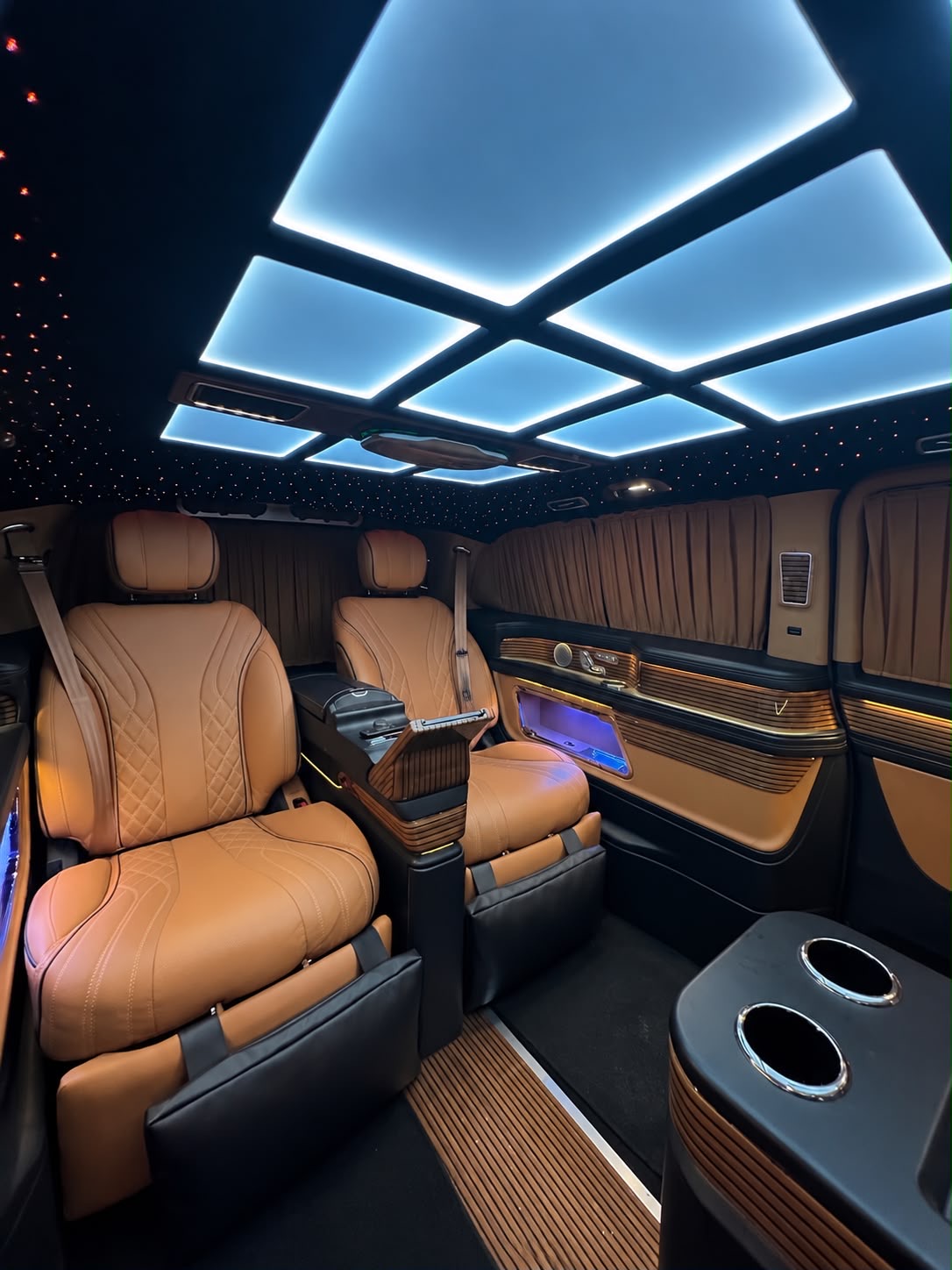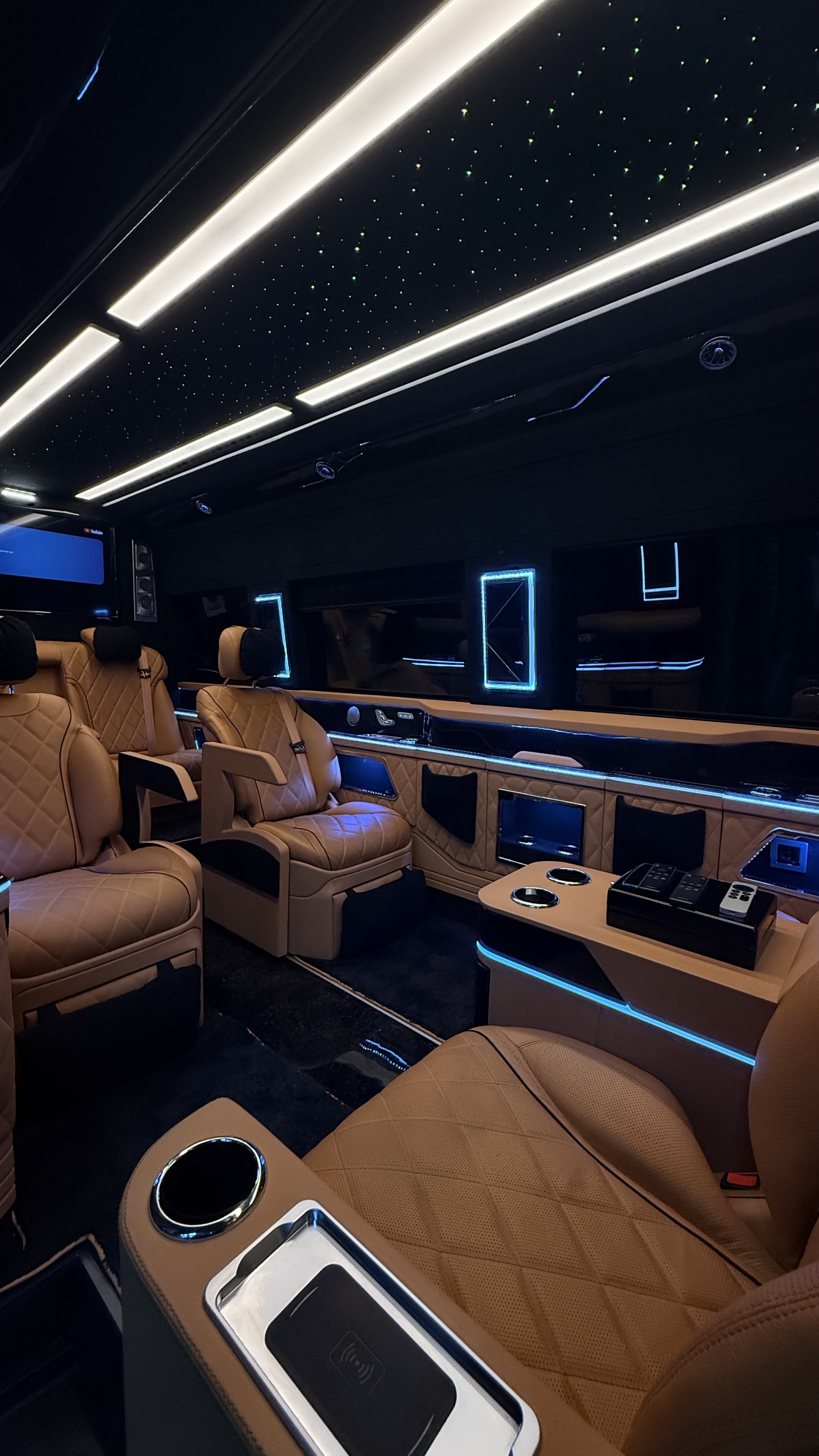
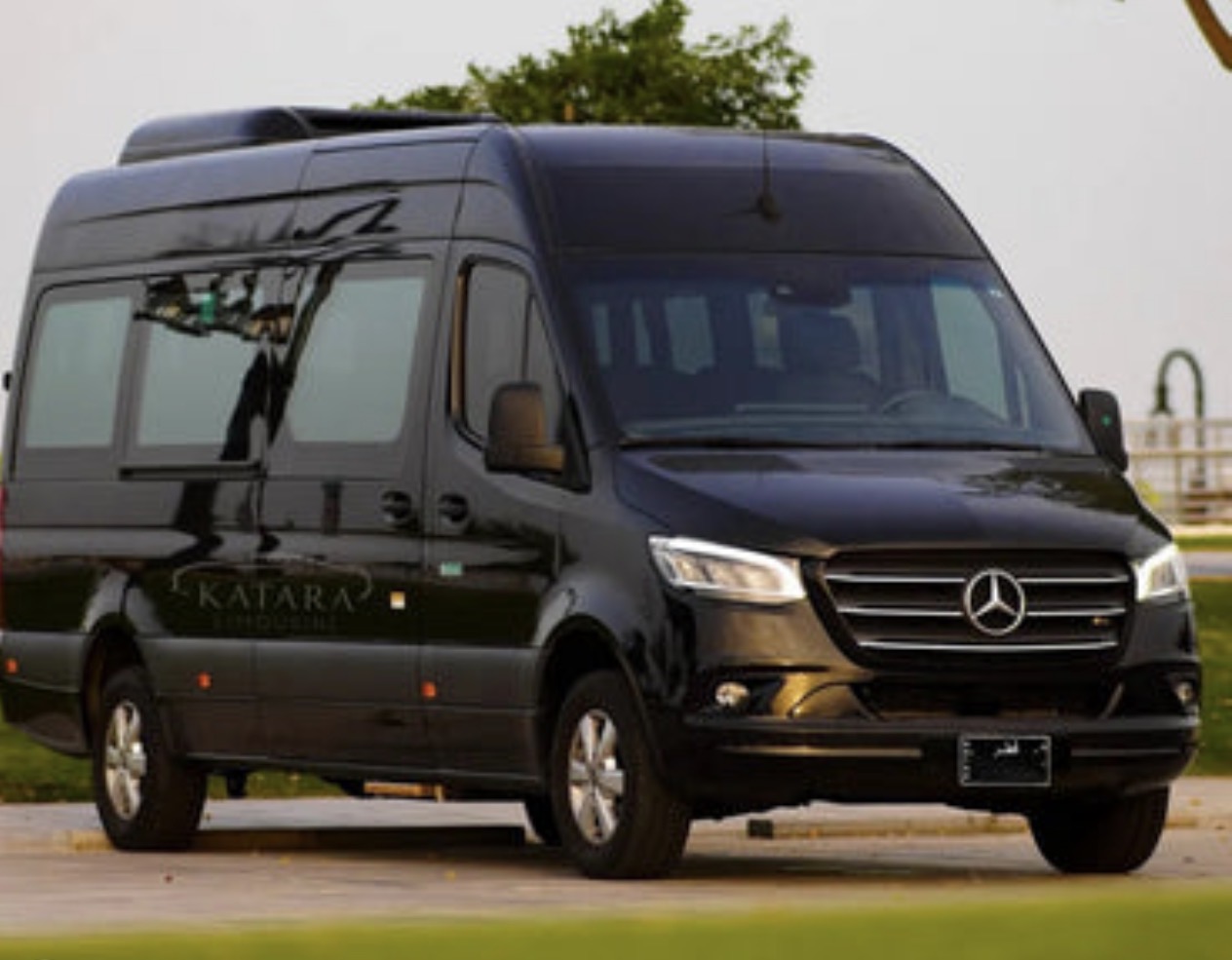
A successful Mercedes Sprinter VIP conversion should be planned before the vehicle enters production. Seating layout, passenger numbers, luggage capacity, electrical equipment, multimedia, climate control and the intended use of the vehicle should all be defined early. Silver VIP Design explains the key decisions that help create a practical and refined Sprinter VIP interior for UK clients.
A Mercedes Sprinter VIP Conversion Starts Before Installation
A premium Mercedes Sprinter VIP conversion is not simply a collection of luxury seats, leather panels and technology.
The most successful interiors are planned around how the vehicle will actually be used.
Before production begins, several important decisions should therefore be made.
For UK clients, these decisions can influence passenger comfort, luggage capacity, everyday usability and the final appearance of the vehicle.
How Many Passengers Will Regularly Use the Vehicle?
The first decision should be the seating requirement.
A Sprinter used for executive travel may require a different layout from a vehicle intended for family use, corporate transport or premium passenger operations.
The number and position of seats affect almost every other element of the cabin.
How Much Legroom Is Required?
More seats do not always mean a better interior.
Executive passengers often value generous legroom more than maximum seating capacity.
Before fixing the seats, the available space should therefore be measured carefully.
Electric seat movement and footrests must also be considered.
How Much Luggage Space Is Needed?
One of the major advantages of a Mercedes Sprinter is its ability to combine passenger space with useful luggage capacity.
However, moving the rear seats too far backwards can reduce storage significantly.
For vehicles that frequently carry suitcases, the balance between passenger comfort and luggage space should be defined at the beginning of the project.
Which Electrical Equipment Will Be Installed?
A modern VIP Sprinter may include several electrical systems.
These can include:
- powered executive seats
- USB and USB-C charging
- wireless charging
- refrigerator
- television or multimedia
- ambient lighting
- reading lights
- additional power systems
Planning these components early helps create cleaner cable routes and easier future servicing.
How Will the Vehicle Be Used?
The design should reflect the real purpose of the vehicle.
A mobile executive environment may require work surfaces and charging facilities.
A vehicle designed for long-distance travel may prioritise seat comfort, luggage capacity and climate control.
A private family vehicle may require a different balance again.
Should There Be a Partition?
Some Sprinter VIP conversion projects use a partition between the driver and rear cabin.
Others benefit from a more open layout.
This choice can affect cabin length, television position, communication with the driver and the overall feeling of space.
It should therefore be decided early.
Climate and Airflow Must Also Be Considered
A VIP conversion changes the architecture of the original passenger compartment.
Seats, panels and interior structures can influence airflow.
The rear cabin ventilation and air distribution should therefore be considered together with the interior design.
Future Servicing Should Not Be Forgotten
Luxury should not make maintenance unnecessarily difficult.
Electrical modules and technical components should remain accessible where possible.
Removable or serviceable panels can make future maintenance considerably easier.
Proper Planning Creates a Better Finished Vehicle
A Mercedes Sprinter VIP conversion UK project should begin with clear decisions, not with installation.
Silver VIP Design plans the seating, technology, storage and technical infrastructure as part of one complete interior concept.
The result is a vehicle designed not only to look premium, but also to work properly in everyday use.