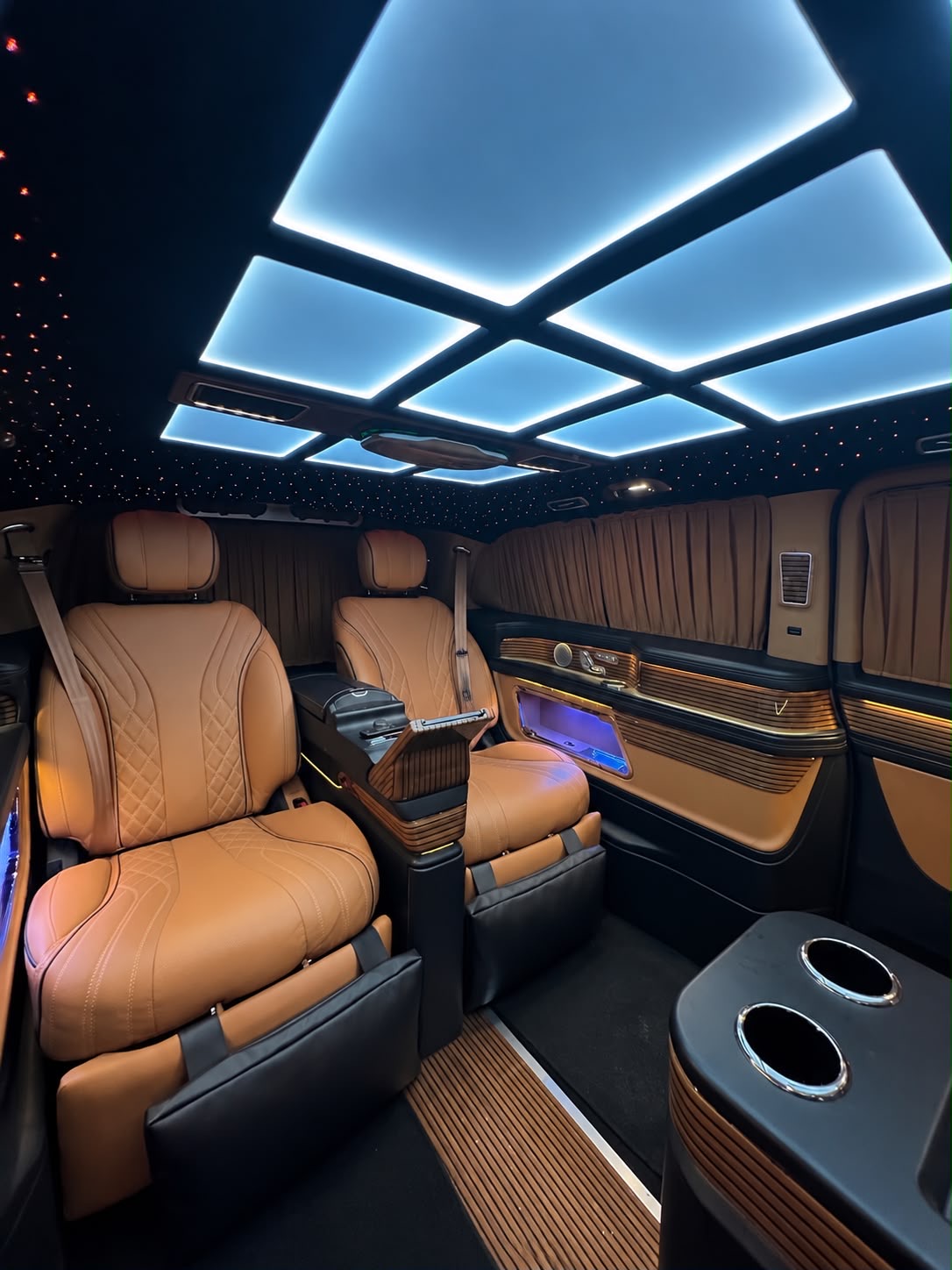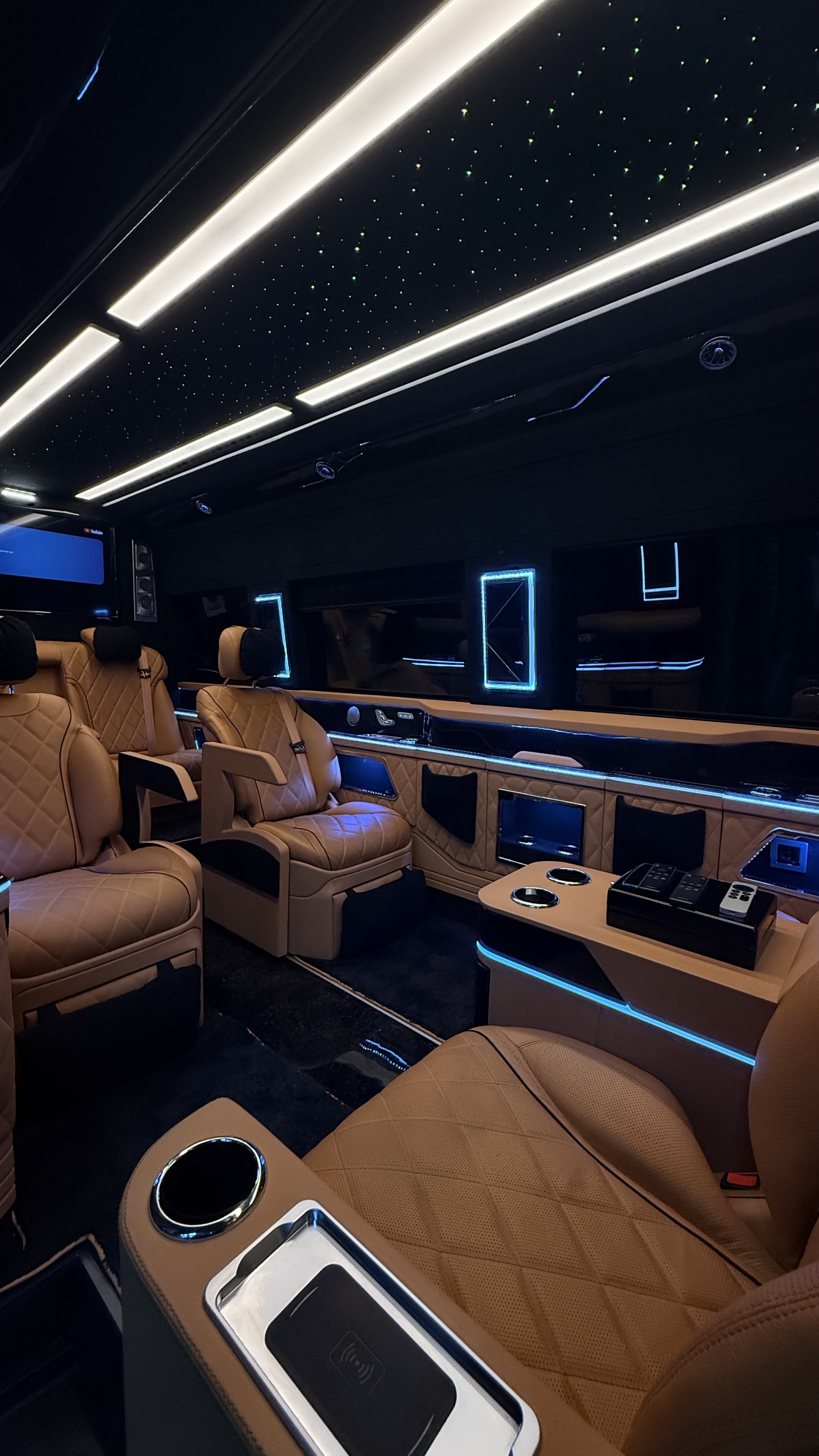
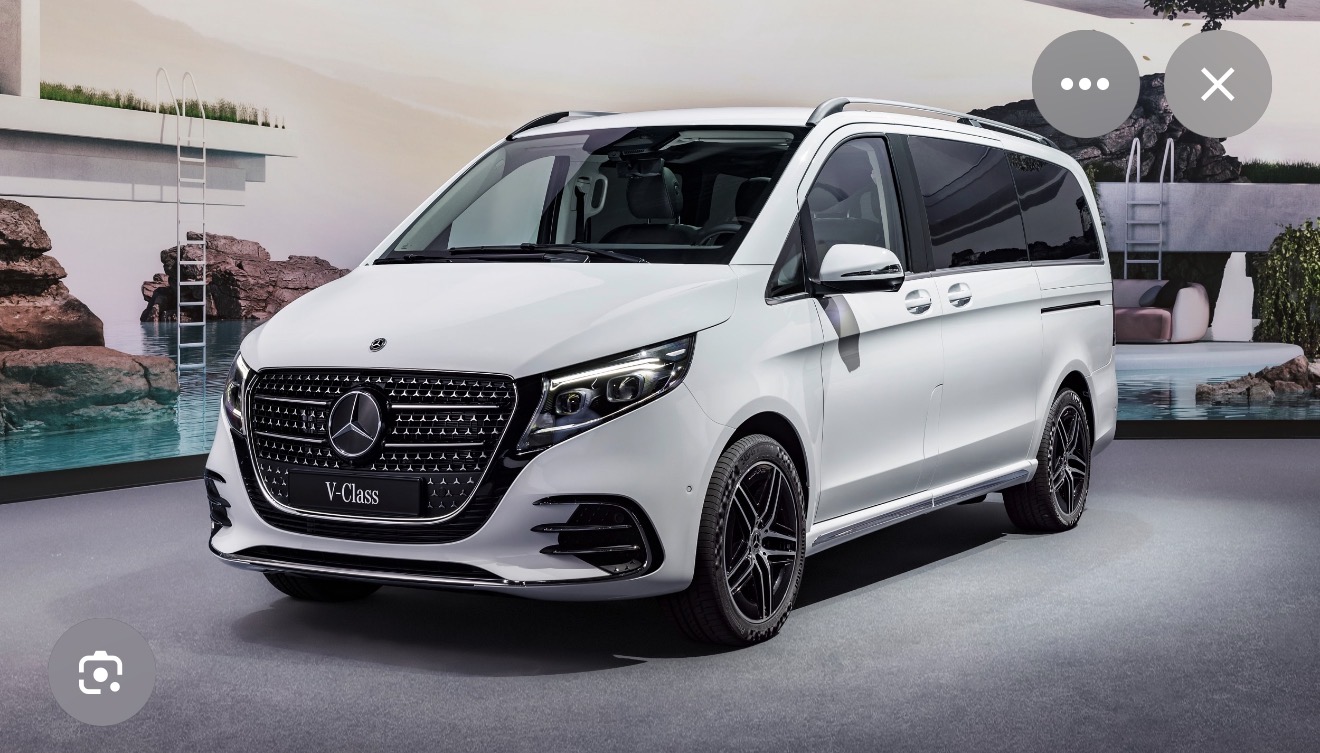
In a Mercedes V-Class or Sprinter VIP conversion, premium materials alone do not create a factory-level result. Clean panel transitions, discreet controls, integrated screens, ventilation and carefully planned technology help prevent an aftermarket appearance and create a more coherent luxury interior.
Why Do Some VIP Conversions Look Aftermarket?
A Mercedes VIP conversion can include premium leather, executive seating, large displays, ambient lighting and advanced passenger technology — yet still look as though the equipment was added afterwards.
The problem is often not the quality of the individual components.
It is how those components are integrated into the vehicle.
Visible switches placed without a clear layout, screens mounted onto finished surfaces, inconsistent panel lines or too many separate design elements can make even an expensive interior feel disconnected.
For UK customers considering a Mercedes V-Class VIP conversion, the objective should therefore be more than adding luxury equipment.
The complete passenger cabin should be planned as one system.
Start With the Interior Architecture
Before selecting screens, controls or decorative details, the basic architecture of the passenger compartment should be defined.
This includes:
- executive seat positions,
- passenger legroom,
- side-panel dimensions,
- centre-console size,
- door clearances,
- ceiling structure,
- ventilation,
- display position,
- and passenger controls.
When these elements are considered separately, compromises often become visible later in the build.
When they are planned together, technology can be incorporated much more naturally.
Side Panels and Doors Should Follow the Same Lines
Side panels and sliding doors occupy a significant proportion of the visible cabin.
Their relationship therefore has a major influence on the finished appearance.
When the sliding door closes, leather sections, decorative surfaces, speaker grilles and ambient-lighting lines should visually relate to the surrounding interior.
The aim is not necessarily to copy the original Mercedes panel.
The aim is to create continuity.
A bespoke panel can look completely different from the standard component while still appearing as though it was designed specifically for the vehicle.
Avoid Adding Separate Switches for Every Function
Modern VIP cabins can contain numerous electrical functions.
Executive seats, lighting, multimedia, refrigeration and other passenger-comfort systems may all require control.
Installing an individual visible switch for every function can quickly make the cabin look cluttered.
Frequently used controls should remain easy to reach, but where appropriate, compatible functions can be organised through a more centralised passenger-control concept.
This creates a cleaner interface and reduces the number of unrelated controls distributed around the cabin.
Screens Should Be Designed Into the Interior
Large displays are increasingly common in executive and chauffeur-driven vehicles.
However, a screen should not look like a television attached to a finished panel as an afterthought.
Its dimensions, viewing angle, surrounding trim and installation depth should be considered during the design stage.
This becomes particularly important when a partition or front bulkhead is incorporated into the conversion.
The surrounding architecture can then be developed around the screen rather than attempting to fit the screen into an already completed interior.
Ventilation Must Remain Functional
Visual integration should never come at the expense of passenger comfort.
Ventilation is a good example.
Changing side panels, ceiling structures or partitions can influence how air reaches the rear passenger compartment.
Air outlets therefore need to be considered alongside the new interior design.
A clean VIP conversion does not simply hide technical elements.
It integrates them in a way that allows them to continue performing their intended function.
Executive Seats Need Space to Operate
Large electrically adjustable VIP seats can require considerably more movement space than standard seating.
Reclining backrests, leg supports and electric adjustment all influence the surrounding layout.
The position of the seat should therefore be coordinated with the centre console, side panels and neighbouring seats.
This is particularly important in the Mercedes V-Class, where careful space management can make the difference between a comfortable executive cabin and an interior that feels overcrowded.
Technology Should Be Available Without Dominating the Cabin
A modern luxury conversion may include:
- passenger-control systems,
- multimedia,
- audio equipment,
- wireless charging,
- USB and USB-C connections,
- refrigeration,
- electrically adjustable seating,
- ambient lighting,
- and additional power systems.
Passengers should be able to use these systems easily.
That does not mean every technical component needs to remain visible.
Control modules, wiring and supporting hardware can often be positioned discreetly behind the finished surfaces while the relevant passenger interfaces remain accessible.
The result is a cleaner cabin with the same functionality.
Mercedes Sprinter Requires the Same Discipline
The larger interior of the Mercedes Sprinter provides significantly more freedom for bespoke conversion.
Executive seating, large displays, partitions, consoles, storage and extensive passenger technology can all be incorporated.
However, having more space can also encourage too many independent features to be added.
A professional Mercedes Sprinter Conversion UK should maintain a clear relationship between the floor, seating, side panels, ceiling and technology.
More available space should create better proportions — not unnecessary visual complexity.
What Is Behind the Panels Matters Too
A premium-looking cabin is only the visible part of a conversion.
Behind the panels are wiring, control modules, mounting points, connectors and protection systems.
These areas should also be planned carefully.
Future access to components can be important for servicing or maintenance, so technical equipment should not simply be hidden wherever space is available.
Good integration means keeping the visible interior clean while maintaining an organised technical structure behind it.
For more technically detailed Sprinter projects, our article on Mercedes Sprinter VIP conversion build documentation and seat anchorage explains why the parts passengers cannot see can be just as important as the finished surfaces.
Less Visible Technology Can Create a More Premium Result
Luxury does not necessarily mean showing every feature installed in the vehicle.
In many cases, the opposite is true.
When wiring, control hardware and mounting solutions disappear into the architecture of the cabin, passengers experience the functionality without being distracted by the engineering behind it.
The visible elements can then focus on seating, materials, lighting and the overall atmosphere of the interior.
A Bespoke Interior Should Look Designed, Not Added
The difference between a collection of aftermarket components and a complete VIP conversion is integration.
Panels should connect visually.
Controls should follow a clear logic.
Displays should form part of the interior architecture.
Seats should have sufficient operating space.
Ventilation and technology should remain functional without creating unnecessary visual clutter.
This approach is particularly important for Mercedes V-Class and Sprinter conversions intended for executive, private or chauffeur-driven use in the UK.
At Silver VIP Design, the objective is to create bespoke passenger cabins where the additional comfort and technology are immediately usable — without making the vehicle look like a collection of components installed afterwards.